
Preserving the Story of Laketown
History of Laketown, Utah
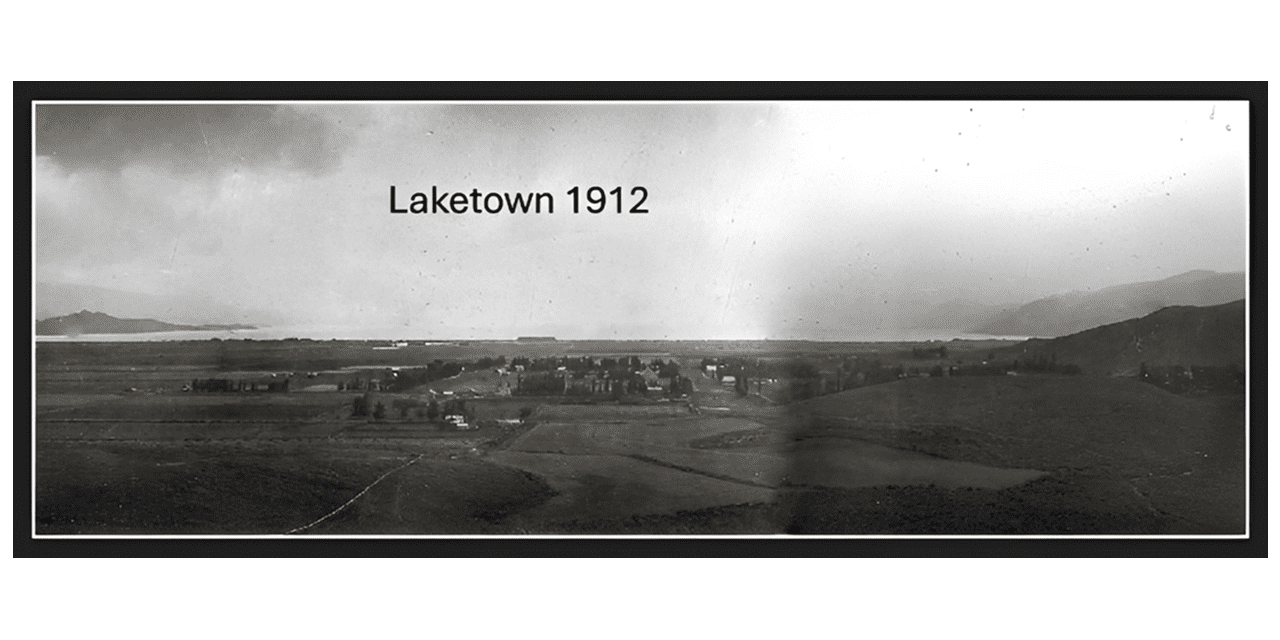
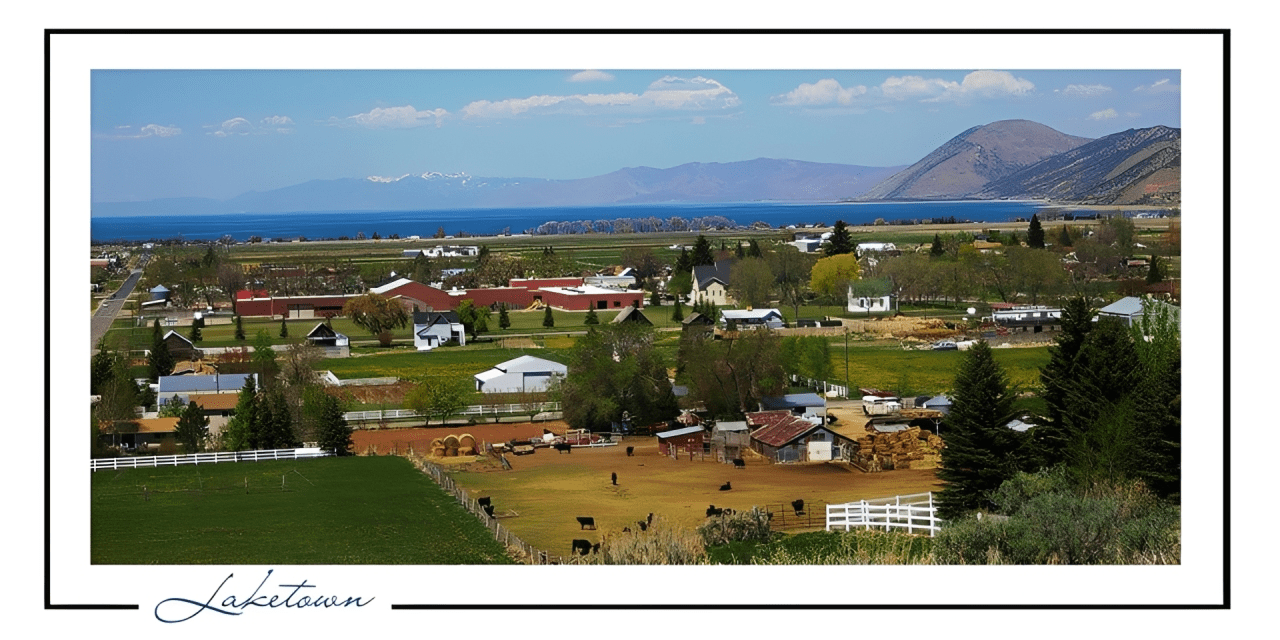
Laketown is one of the oldest communities in the Bear Lake Valley of northeastern Utah. Located along the southern shore of Bear Lake in Rich County, the town was settled in 1864 during the expansion of Mormon pioneer communities throughout the Intermountain West. Its history is closely tied to the settlement of the Bear Lake region, agriculture, ranching, and the growth of tourism around Bear Lake.
Long before European-American settlement, the Bear Lake Valley was home to Native American people, including the Shoshone and Bannock tribes. These groups hunted, fished, and traveled through the region for generations. The valley's rich grasslands and water resources made it an important seasonal gathering place.
The arrival of Mormon pioneers in the area was influenced by the Homestead Act of 1862. Concerned that outsiders would claim the fertile lands of the Bear Lake Valley, Mormon Church President Brigham Young sent Apostle Charles C. Rich to explore and establish settlements in the region. Rich organized colonization efforts beginning in 1863, and several communities were founded soon afterward, including Laketown in 1864. Early settlers worked with local Native American groups to establish peaceful relations and avoid conflicts.
The town was named for its location near Bear Lake, a large natural lake famous for its striking turquoise-blue water. Early settlers-built log homes, irrigation ditches, fences, and community buildings. Farming and ranching quickly became the foundation of the local economy. Residents raised cattle and sheep and grew crops such as hay, grain, and vegetables. Life was challenging because of the valley's high elevation, short growing season, and harsh winters. Nevertheless, the settlers developed a strong sense of cooperation and community.
Throughout the late nineteenth and early twentieth centuries, Laketown remained a small agricultural settlement. Unlike many western towns that experienced mining booms or railroad expansion, Laketown grew slowly and maintained its rural character. Families often relied on livestock production and farming for their livelihoods, and community events centered around churches, schools, and local gatherings. Rich County became known for its productive grazing lands, and agriculture remained the primary economic activity for decades.
Laketown was officially incorporated as a town in July 1945. By that time, improved roads and transportation had made the Bear Lake region more accessible to visitors. During the second half of the twentieth century, tourism began to play an increasingly important role in the local economy. Visitors were drawn to Bear Lake for boating, fishing, swimming, camping, and other outdoor recreation. The lake's unique blue color and scenic mountain setting earned it the nickname "The Caribbean of the Rockies."
Today, Laketown remains a small community, but it serves as an important gateway to recreation on the southern end of Bear Lake. Agriculture and ranching continue to be important parts of local life, while tourism brings thousands of visitors to the area each year. Despite modern changes, Laketown retains much of its pioneer heritage and reflects the determination and resilience of the early settlers who established communities in the challenging environment of the Bear Lake Valley.
The Old Rock Store
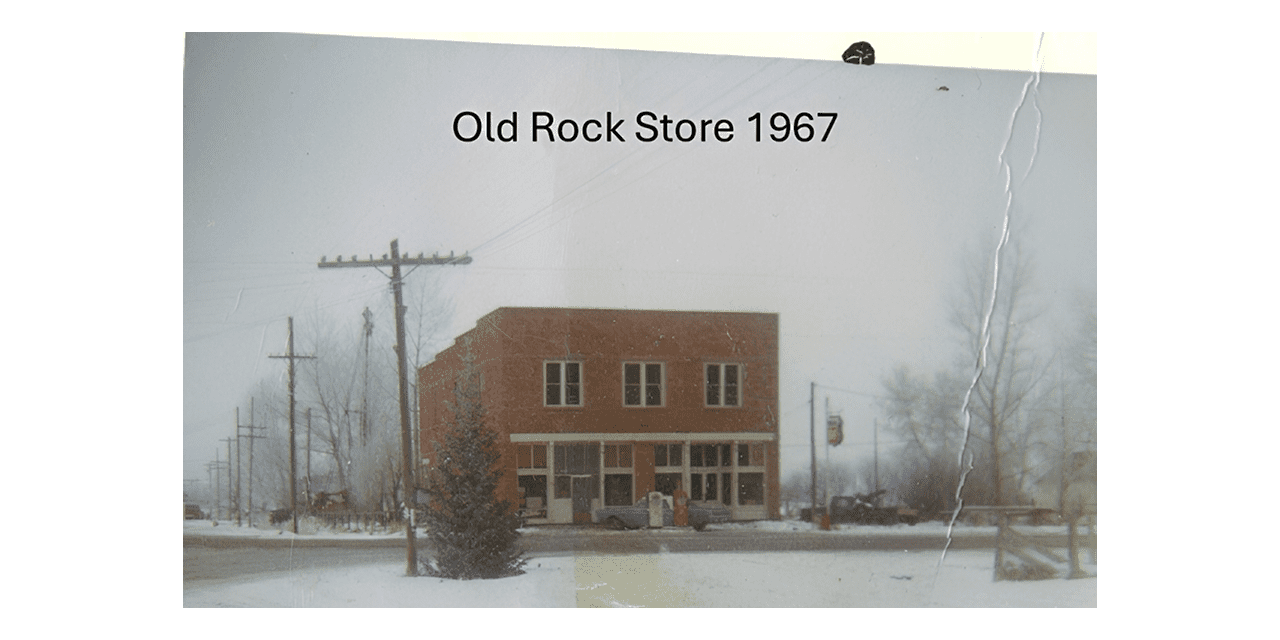
Construction of the Old Rock Store began in March 1907 by George H. Robinson. Samuel G. Hussey, a mason who had been brought from England to lay the stone for the Laketown Chapel, was hired to do the stonework for the new store. Hussey planned to return to England after completing both projects.
Tragedy struck on October 30, 1909, when Samuel Hussey fell approximately fifteen feet from the roof to the second-floor, landing on his head. He was killed instantly. Because of the high cost of returning his remains to England, Hussey was buried in the Laketown Cemetery.
His death delayed construction, and the onset of cold weather made it necessary to postpone plastering several times. After two years and ten months of work, the downstairs portion of the building was finally completed. On February 5, 1910, the new store was stocked and opened for business.
The second floor was completed in July 1910 and served as a dance hall and recreation center for the community until the late 1920s. Over the years, the store passed through the hands of several owners, including George and Lucy Robinson, Amos and Mildred Robinson, Leon and Montry Kearl, Bonnie and Dewey Forsberg (who remodeled the upstairs into a modern day apartment), Bob and Renee Earley; David and Sally Lamborn; and Philip Jess.
In 2006, the building was sold and extensively renovated, eventually becoming what is known today as Laketown Lodge. The Old Rock Store remains an important landmark in Laketown, reflecting both the hardships and determination of the community's early residents and preserving a significant piece of the town's history.
The Laketown Relief Society Hall
The Laketown Relief Society Hall is one of the community's most significant historic buildings and stands as a lasting reminder of the dedication and service of Laketown's early residents. Construction of the hall began sometime between 1899 and 1901, as local members worked to create a permanent gathering place for the women of the community and the activities of the Relief Society.
Built through the efforts and sacrifices of local families, the hall quickly became an important center of community life. The women of the Relief Society met there to organize charitable work, care for the sick and needy, sew quilts and clothing, and provide support to families throughout the Bear Lake Valley. The building also hosted educational programs, social gatherings, cultural events, and community meetings.
After several years of construction, the Laketown Relief Society Hall was formally dedicated on July 29, 1906. The dedication marked an important milestone for the town and provided a permanent home for many of the service and welfare activities that strengthened the community during the early twentieth century.
Built through the efforts and sacrifices of local families, the hall quickly became an important center of community life. The women of the Relief Society met there to organize charitable work, care for the sick and needy, sew quilts and clothing, and provide support to families throughout the Bear Lake Valley. The building also hosted educational programs, social gatherings, cultural events, and community meetings
Today, the building continues to preserve Laketown's pioneer heritage as the home of the Laketown chapter of the International Society Daughters of Utah Pioneers. The organization, founded in 1901 to preserve the history and accomplishments of Utah's pioneers, maintains the hall as a place where local artifacts, records, and stories can be preserved for future generations. In this way, the Laketown Relief Society Hall continues to serve the community much as it did more than a century ago—as a gathering place dedicated to remembering and honoring the people who built Laketown and the Bear Lake Valley. The Daughters of Utah Pioneers organization is dedicated to preserving pioneer history and historic landmarks throughout Utah.